
Can Luxury Travel Also Be Responsible? The Fine Line Between Luxury Travel and Responsible Travel.
Luxury travel has changed.
Increasingly, travellers are no longer asking only where they should go, but how their presence impacts the places they visit once they arrive. Questions around sustainability, over tourism, wildlife welfare, and community impact have moved firmly into mainstream travel conversations — particularly within luxury travel, where expectations around experience and responsibility now often sit side by side.
But the conversation itself is not always straightforward.
Because travel remains one of the world’s most important economic drivers for many destinations, communities, conservation projects, and wildlife initiatives. And in many cases, tourism itself plays a critical role in protecting the very places travellers are drawn to experience.
The challenge now lies in finding the balance.

The Problem With “Untouched” Destinations
Social media has transformed how people discover travel.
A single image can rapidly turn a previously little-known location into a global destination almost overnight. But with this visibility often comes pressure — on infrastructure, local communities, wildlife, and natural environments. Destinations once celebrated for their remoteness or authenticity can quickly become overwhelmed by visitor numbers, particularly where tourism growth outpaces long-term planning.
In many parts of the world, the idea of “hidden gems” has become increasingly difficult to sustain. This does not mean travellers should stop exploring these places altogether. In fact, tourism often remains vital to local economies. But it does mean the style of travel — how people visit, who benefits, and how experiences are managed — matters more than ever.
Why The Right Guides and Local Experts Matter
One of the most overlooked aspects of responsible travel is often the people shaping the experience itself.
The right local guides can completely transform how a destination is understood — providing cultural context, local perspective, and access to experiences that would otherwise remain superficial. Importantly, local guiding also ensures tourism revenue remains within the destination itself, directly supporting communities, employment, and smaller independent businesses.
Increasingly, travellers are recognising that the most memorable experiences rarely come from simply “seeing” a place, but from understanding it more deeply. This is particularly true in destinations where culture, history, or indigenous heritage form a central part of the experience.
Wildlife Tourism — The Complexity Behind the Conversation
Few areas of tourism generate more discussion than wildlife experiences.
For travellers, the opportunity to encounter wildlife often represents one of the most powerful and emotional aspects of a journey. Yet concerns around animal welfare and exploitation have also become far more visible in recent years. Not all wildlife tourism operates equally.
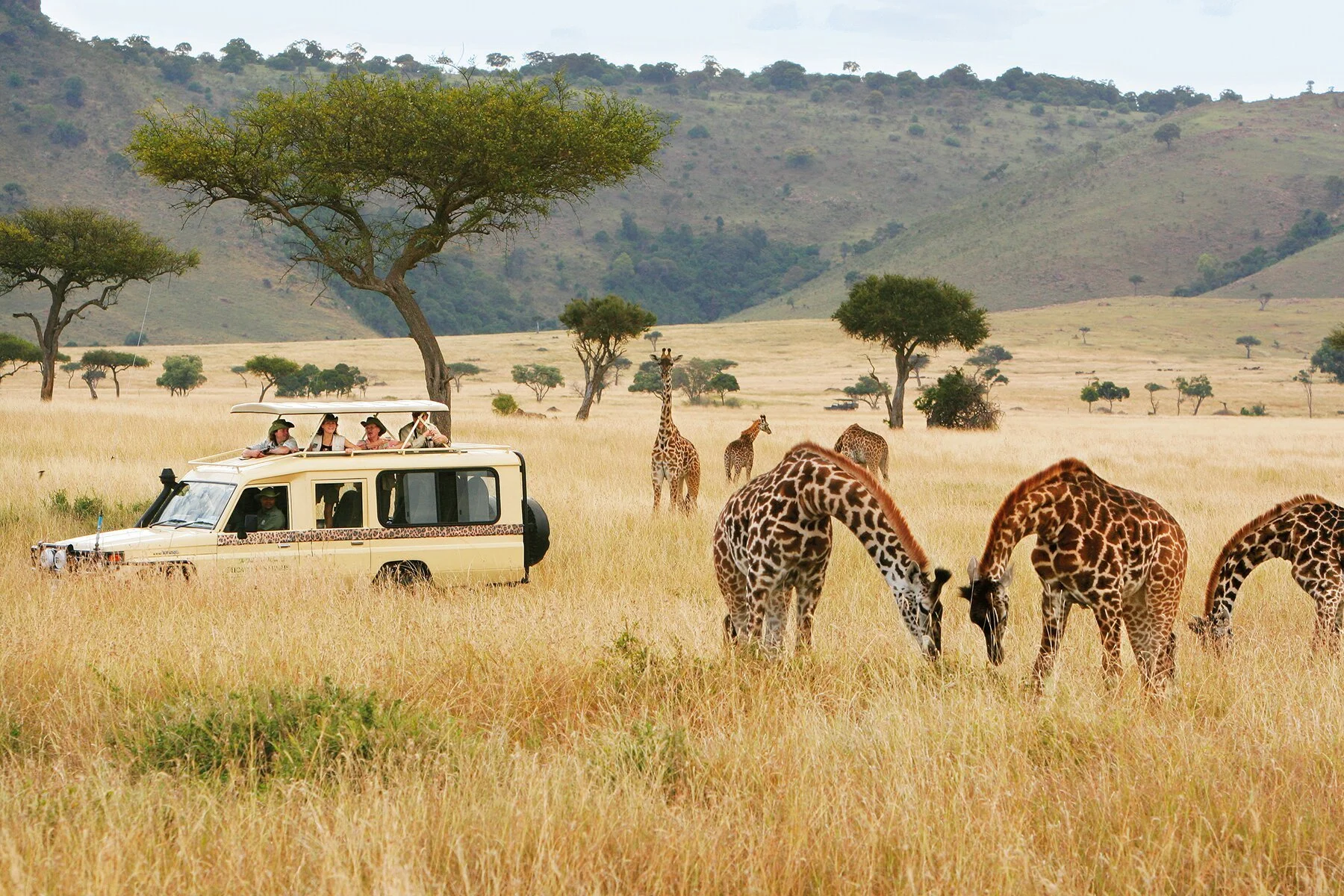
Some experiences prioritise entertainment or close interaction in ways that can negatively impact animal welfare, while others play a critical role in conservation, habitat protection, research, and local employment. In regions across Africa, Asia, Australia, and Latin America, tourism revenue often directly supports conservation projects and protected land that might otherwise struggle financially.
Luxury safari camps, marine conservation programmes, reef tourism operators, and conservation-led lodges increasingly demonstrate that tourism, when managed carefully, can actively contribute to environmental protection rather than detract from it.
The nuance lies in understanding the difference.
Can Luxury Travel Actually Have a Positive Impact?
Historically, luxury travel and sustainability were not always viewed as naturally aligned.
But increasingly, many of the most progressive luxury travel experiences are also those investing most heavily in conservation, local partnerships, community tourism, and long-term environmental protection. Smaller-scale luxury lodges often operate with lower guest numbers and a more controlled environmental footprint. Many luxury operators are now actively involved in:
marine conservation
habitat restoration
local employment initiatives
indigenous partnerships
wildlife research
community development projects
In some destinations, higher-value, lower-volume tourism is increasingly viewed as a more sustainable long-term model than mass tourism growth.
Importantly, responsible travel no longer needs to mean sacrificing comfort or experience. In many cases, the opposite is true — with some of the world’s most meaningful and immersive journeys emerging from operators deeply connected to the places in which they work.
Travel Still Matters
Despite the challenges surrounding modern tourism, travel remains one of the most powerful ways people connect with the world and with one another.
Done well, tourism creates employment, funds conservation, supports communities, preserves culture, and encourages deeper global understanding. The goal is not perfection. Rather, it is about making more informed and thoughtful choices around how we travel and who we choose to travel with.
Because ultimately, the future of travel will depend not simply on where people go — but on how they choose to experience it.
Considering a More Thoughtful Style of Travel?
At Woodward & Lane, we believe luxury travel should feel both meaningful and well considered.
From conservation-led lodges and indigenous tourism experiences to community partnerships and carefully selected local guides, we work closely with partners who share a long-term commitment to the destinations in which they operate.
Because the most memorable journeys are often those that leave the strongest positive impact behind.